
Vintage Exercise Machines That Look Like Torture Devices
Slendo Massager
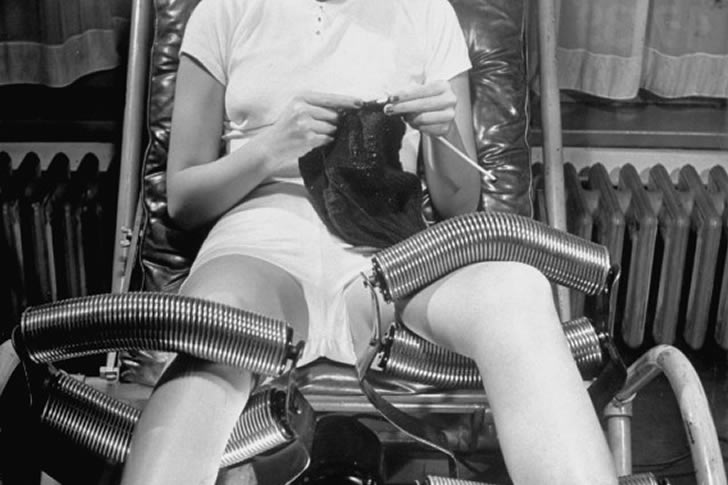
Imagine being wrapped in metal coils while springs pummeled your thighs, hips, or buttocks. That was the Slendo Massager’s idea of a spa day in the 1940s. Touted as a luxurious, non-invasive way to melt away unwanted fat, the machine worked by rolling mechanical coils over targeted areas of the body. Women lined up at “slenderizing salons” to be gently battered into beauty—wearing pearls and heels, of course.
The Slendo Massager looked less like a piece of fitness equipment and more like a torture rack with a sales pitch. The promise was that you could slim down just by standing still—no diet, no exercise, just “passive toning.” But unsurprisingly, there was no scientific evidence to back this up. In fact, the only real result was a bizarre massage and a dent in your wallet. Over time, people realized the springs weren’t tightening anything except their patience, and this strange contraption faded into obscurity, remembered mostly through black-and-white photos of women trying not to wince.
Vibrating Belt Machine
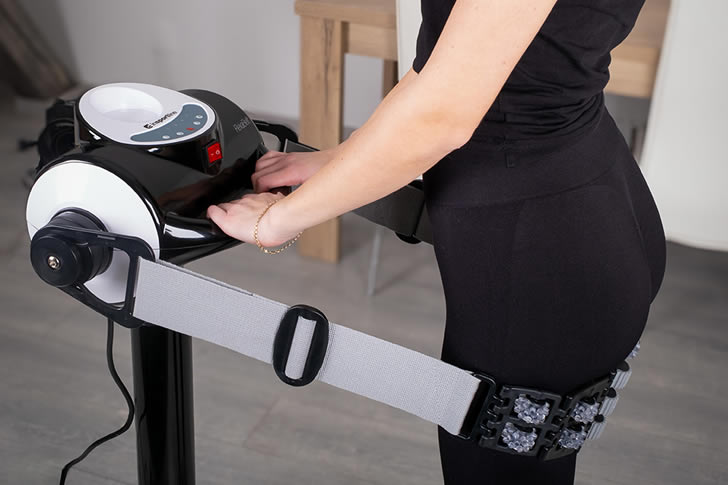
Back in the mid-20th century, countless hopefuls flocked to salons and home gyms to try the vibrating belt machine, believing that they could jiggle their way to a slimmer figure. The concept was simple—and almost too good to be true. You’d step onto the platform, loop the wide belt around your waist, flip a switch, and let the belt go to work shaking your body like a human maraca. It promised weight loss, muscle toning, and an enviable figure, all without breaking a sweat.
In reality, the machine did little more than vibrate your jiggly bits. There was no fat loss, no magical transformation—just a lot of awkward wiggling and an occasional bruise. Despite its ineffectiveness, it became a staple of beauty parlors and advertisements for years, playing on society’s eternal quest for an easy fitness fix. Today, it’s remembered more for its comedy value than any health benefit, often appearing in vintage gym memes and retro-fitness blooper reels. It’s a laughable reminder that fitness once relied more on wishful thinking than actual science.