
The Truth About Some of The Most Popular Car Myths
Myth: Nitrogen Outperforms Regular Air in Tires
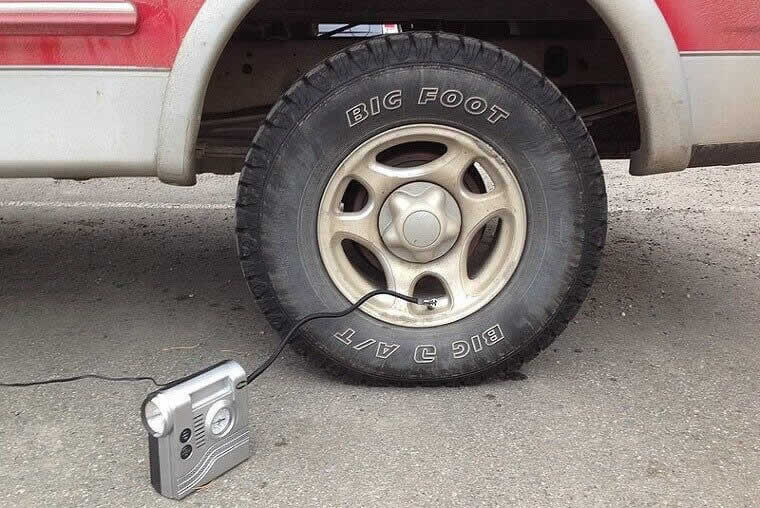
There is an enduring belief that nitrogen is the superior choice for tire inflation. While there is a grain of truth here, its actual value depends largely on your habits as a car owner. Nitrogen molecules are larger than oxygen, meaning they leak through rubber more slowly, resulting in less deflation over time. Furthermore, nitrogen is “dry,” whereas regular compressed air often contains moisture that can corrode the internal components of your wheels.
However, the primary drawback is the cost. A single nitrogen fill-up can cost as much as $30 per tire. Unless you are a professional racer or someone who never checks their tire pressure, regular air is perfectly sufficient. As long as you maintain a consistent schedule for monitoring your PSI, paying a premium for nitrogen is an unnecessary expense for the average driver.
Myth: A Car Battery is Guaranteed for Five Years
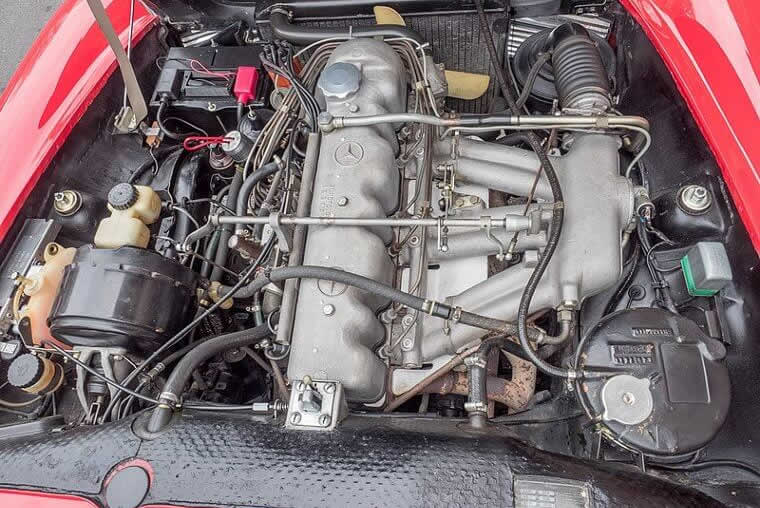
Many drivers operate under the assumption that a car battery is a long-term component. Surprisingly, data from AAA suggests that over 40% of motorists believe a battery is essentially “set it and forget it” for at least five years. In reality, the typical lifespan is narrower, usually landing between three and five years. Very few units manage to push past that five-year milestone without losing significant cranking power.
This lifespan isn’t set in stone; it fluctuates based on your local climate and driving frequency. Extreme heat is actually tougher on batteries than cold, and short trips don’t give the alternator enough time to recharge the unit. Ultimately, you should budget for a replacement well before the five-year mark, especially if you have a habit of running electronics while the engine is off.